1 septembre 2026

The allure of risk and reward
The psychology behind casino players is deeply rooted in the concept of risk and reward. Many individuals are irresistibly drawn to the thrill of uncertainty, where the prospect of winning can evoke intense emotions. The idea of gambling often combines the euphoria of winning with the anxiety of loss, creating a perfect storm of psychological tension that enhances the overall experience. This duality can lead to an addictive cycle, where players chase the high of a win while rationalizing their losses as a natural part of the game, and many also seek an online casino that accept neosurf to further engage in this thrilling pursuit, further entrenching them in the gambling culture.
This allure is further intensified by the casino environment, engineered to maximize engagement. From dim lighting to the symphony of sounds from winning machines, every element is designed to captivate players’ attention and keep them returning. The strategic placement of games, the use of flashing lights, and the enticing sounds create a stimulating atmosphere that can lead to impulsive decision-making, blurring the lines between rational thought and emotional response. Such environments can make it challenging for players to assess their real-time spending and losses accurately, often resulting in unchecked gambling behavior.
Moreover, the anticipation of rewards can trigger dopamine release in the brain, reinforcing the behavior of gambling. This chemical process can induce a euphoric state, creating an addictive pattern where players continuously seek that same thrill. Many players convince themselves that the next game will be their lucky break—a psychological phenomenon known as the « gambler’s fallacy. » Understanding these psychological triggers is critical to explaining why so many individuals find themselves returning to casinos despite the potential for significant financial repercussions.
The role of cognitive biases
Cognitive biases significantly shape the behaviors of casino players. One of the most prevalent is confirmation bias, where players actively seek information that supports their belief in their capacity to win, often ignoring contradictory evidence. For instance, a player who experiences a series of losses may still cling to the notion that their luck will soon change, fixating on past wins as justification to continue gambling. This selective perception can lead to prolonged gambling sessions and increased financial investments, further complicating their relationship with the games they play.
Another common bias is the illusion of control, where players mistakenly believe they have more influence over the outcome than they actually do. This is particularly evident in games like blackjack or poker, where skill plays a role, creating a sense of empowerment. However, in many casino games, such as slots, the outcomes are purely random. The belief that their decisions can sway the results often leads to overconfidence, increasing the likelihood of continued play and deeper financial commitments. This overestimation of control can be detrimental, trapping players in cycles of hope and disappointment.
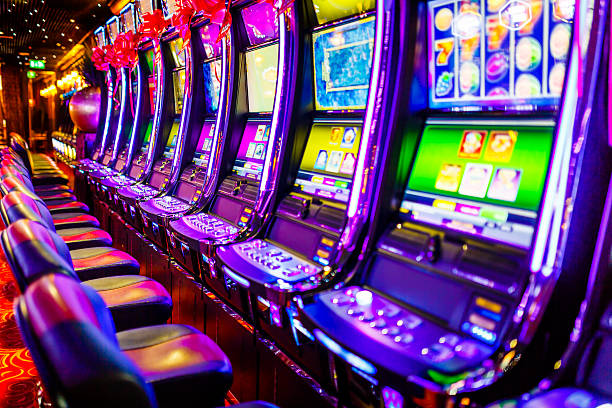
Familiarity also breeds a sense of comfort, leading players to favor certain games over others, even if the odds are not in their favor. The « hot » and « cold » machine theories contribute to this phenomenon, where players interpret patterns and trends based on recent wins and losses. Such cognitive biases can cloud judgment and create a false sense of security, resulting in irresponsible gaming behaviors and further entrenching players within the casino environment. Understanding these biases can help players recognize their decision-making patterns and mitigate potentially harmful behaviors.
Emotions and gambling
Emotions play a pivotal role in the gambling experience, influencing not only decisions but also the overall enjoyment of the game. For many, casinos represent an escape from the mundane aspects of life, providing a thrilling and intoxicating environment. The emotional highs that accompany wins can be euphoric, serving as a compelling reason to return to the gaming floor. Conversely, the emotional lows associated with losses can lead to frustration and despair, prompting individuals to gamble more in a desperate attempt to recoup their losses.
The interplay of emotions and gambling behavior can lead to potentially harmful patterns. Players often find themselves in a « tilt » state, where their emotions override logical thinking, leading to erratic betting behavior. This state can escalate losses, creating a vicious cycle where players chase their losses and make increasingly risky decisions driven by desperation rather than strategy. Recognizing the emotional impact of gambling is crucial to understanding why some players find it challenging to walk away, despite the negative consequences that may arise.
Moreover, the emotional investment in gambling can extend beyond the individual, affecting social relationships and personal well-being. The thrill of shared experiences, such as visiting a casino with friends, can enhance enjoyment but may also lead to collective irresponsible behavior. The emotional rollercoaster of gambling—characterized by thrilling highs and devastating lows—can forge bonds among players, yet these shared experiences can also result in significant losses that strain relationships. Understanding these emotional dynamics is essential for grasping the broader implications of gambling on an individual’s life and their social circle.
Strategies for responsible gambling
Understanding the psychology of casino players is crucial in promoting responsible gambling practices. Awareness of cognitive biases and emotional triggers can empower players to make informed decisions and recognize when they are venturing into dangerous territory. Many casinos have initiated responsible gaming programs, providing resources and tools for players to track their spending, set limits, and comprehend the odds associated with the games they are participating in. These measures can help mitigate the risks linked with gambling and foster a healthier approach to gaming.

Moreover, education plays a pivotal role in fostering responsible gambling habits. Providing players with access to information about game odds, effective strategies, and potential risks can equip them with the knowledge necessary for making informed choices. Numerous organizations focus on prevention and harm reduction, offering workshops and support for individuals struggling with gambling addiction. Such initiatives can cultivate a more informed player base and promote an overall healthier gambling culture.
Ultimately, fostering a healthy relationship with gambling requires a combination of awareness, education, and community support. Encouraging open dialogue about gambling behaviors and their implications can help destigmatize the conversation surrounding gambling addiction. By creating an environment where individuals feel comfortable discussing their experiences, the gambling community can work collaboratively toward solutions that prioritize the well-being of all players, ensuring that gambling remains a form of entertainment rather than a source of distress.
Explore our website for more insights
Our website serves as a comprehensive resource for anyone interested in understanding the psychology of casino players. We explore the intricate relationships between emotions, cognitive biases, and gambling behavior, providing valuable insights for both players and stakeholders. Through research-backed articles and expert opinions, we aim to foster a deeper understanding of the gambling experience and its psychological underpinnings, ensuring that our readers are well-informed.
In addition to informative content, our platform offers tools and resources for responsible gambling. We believe that education is key, and we strive to provide the necessary information to help individuals approach gambling with awareness and caution. Whether you are a seasoned player or a curious newcomer, our website can guide your understanding of the complex dynamics at play in the world of casinos, enabling you to make more informed choices.
Join us on our journey to explore the captivating psychology of casino players. By engaging with our content, you will not only enhance your understanding of gambling behaviors but also receive valuable tips on how to gamble responsibly. Together, we can ensure a positive experience while navigating the thrilling world of gaming, promoting well-being for all players involved.